
Leading Choices For Sunroom Installation Products You Can Trust
Find high-quality products that ensure a seamless installation process and long-lasting performance in your sunroom projects.
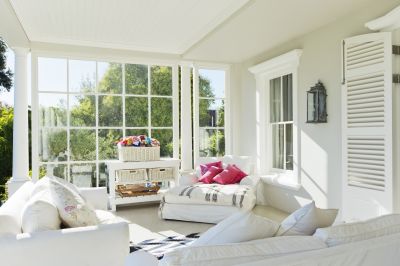 Creating a sunroom in Indianapolis requires careful selection of products that enhance comfort, functionality, and aesthetic appeal. Sunroom installations often involve a combination of structural elements, glazing options, and accessories to ensure a space that is both inviting and durable. When choosing products for a sunroom, it is important to consider how each component interacts with the environment, especially in Indiana's varying climate conditions. Proper insulation, weatherproofing, and UV protection are key factors to ensure the space remains enjoyable throughout the year.
Top Overall Option
Versatile Sunroom Frame System
A durable and adaptable framing system designed to support various glazing options and withstand Indiana's weather variations. This system offers customizable configurations to fit different architectural styles, providing a stable foundation for your sunroom project. Its ease of installation and maintenance makes it a popular choice for homeowners seeking a reliable solution for their sunroom needs.
Types of Products For Sunroom Installations
Glass Panels
Various options including double-pane, low-emissivity, and tempered glass to optimize light and insulation.
Acrylic Panels
Lightweight and shatter-resistant alternatives to glass, suitable for certain design styles.
Sunroom Framing Systems
Metal, vinyl, or aluminum framing options that provide structural support and aesthetic appeal.
Insulated Flooring
Materials like tile, engineered wood, or composite decking designed for comfort and durability.
Window Blinds and Shades
Various styles including roller, cellular, and vertical blinds for light control and privacy.
Ventilation Systems
Ceiling fans, operable windows, and exhaust fans to promote airflow and comfort.
Lighting Fixtures
A range of natural and artificial lighting options to enhance usability during evening hours.
Weatherproofing Sealants
Sealants and gaskets to protect against drafts and water infiltration.
Decorative Elements
Plants, furniture, and accessories that personalize the sunroom space.
Skylights
Additional natural light sources that can be integrated into the roof design.
Popular Choices
Widely used for their balance of light transmission and insulation properties.
Known for low maintenance and resistance to Indiana's weather conditions.
Popular for ventilation and flexibility in controlling airflow.
Simple to operate and available in various fabrics for light filtering.
Effective for air circulation, with styles suited for sunroom environments.
A common choice for durability and ease of cleaning.
Energy-efficient options to provide versatile illumination.
Used to seal gaps and improve energy efficiency.
Popular for adding natural light and ventilation.
A low-maintenance flooring option that withstands outdoor conditions.
Enhance the aesthetic and ambiance of the sunroom space.
Help reduce glare and protect furnishings from UV rays.
Provide supplemental warmth during colder months.
Designed to withstand sun and moisture exposure.
Tailored options for precise light and privacy control.
Automate window or roof vent operation during rain.
Add extra thermal protection to the sunroom structure.
Sunroom construction typically begins with a sturdy framing system that can support large expanses of glass or acrylic panels. These panels allow natural light to flood the space while providing insulation against temperature fluctuations. Selecting the right type of glazing can influence energy efficiency and comfort; options include double-pane, low-emissivity glass, or acrylic panels. In addition to the primary structure, accessories such as blinds, shades, and window films can help control light and privacy, enhancing the usability of the sunroom.
Flooring choices also play a significant role in the overall experience of a sunroom. Materials like tile, wood, or composite decking are popular, each offering different benefits in terms of maintenance and style. Proper flooring can help regulate temperature and add a finishing touch to the aesthetic. Ventilation systems, including ceiling fans or operable windows, are essential for air circulation and maintaining a pleasant environment. Lighting fixtures, both natural and artificial, should be selected to complement the space and provide adequate illumination for evening use.
Overall, the key to a successful sunroom installation lies in selecting products that balance durability, style, and functionality. Consulting with local specialists in Indianapolis can help tailor choices to the specific climate and architectural style of the home. With the right combination of structural elements, glazing, flooring, and accessories, a sunroom can become a versatile extension of living space, perfect for relaxing, entertaining, or enjoying the scenic views of Indiana.
Key Buying Considerations
- Climate resilience and weatherproofing to withstand Indiana's seasonal changes.
- Type of glazing material and its insulation properties.
- Structural support and framing materials compatible with your design aesthetic.
- Ease of maintenance and long-term durability of products.
- Energy efficiency features to help regulate indoor temperatures.
- Ventilation options for airflow and air quality control.
- Natural light transmission versus glare control needs.
- Compatibility of accessories such as blinds, shades, and films.
- Flooring materials suited for moisture and temperature fluctuations.
- Ease of installation and availability of professional support.
- Aesthetic style and how it integrates with existing architecture.
- Budget considerations, balancing quality and cost.
- Availability of customization options for size and features.
- Compatibility with existing home systems or future upgrades.
- Local climate factors that could influence product performance.